School Cleaning Standards: What Hoxton Park Parents Expect
What a clean school looks like to parents, how NSW schools are cleaned, and what to do when standards slip.
Toilet block check log
Example of a daily sign-off sheet
- 8:15 amSoap, towels and paper stocked
- 10:40 amRecess check and restock
- 12:50 pmLunch check and restock
- After hoursFull clean and disinfect
On this page
Ask parents what a clean school looks like and their answers are remarkably similar. The toilets are stocked and don't smell. Classrooms aren't grubby by Friday. There's soap at the basin. Nobody expects a hospital. They expect the basics done reliably, and they want to be able to tell when they aren't.
This guide explains what those expectations mean in practice, how they fit with the way NSW schools are cleaned, and what parents, P&Cs and school leaders can do when standards slip.
In short, parents expect:
- Clean, fully stocked toilets throughout the day, not only after hours
- Wiped and disinfected high-touch surfaces such as handles, taps, desks and bubblers
- Hand-wash stations that always have soap and paper towels
- Hygienic canteen, food and before/after-school care areas
- Cleaning at sensible times, not squeezed into a rushed window
- Safe products, trained staff and a clear way to report problems

Why cleaning standards matter beyond appearances
A school puts hundreds of children in a small space for six hours. They share taps, door handles, desks, sports gear and toilets, so germs move quickly. Cleaning won't stop every cold, but it is one of the basic controls, alongside hand hygiene and keeping sick children home.
The main national reference is the NHMRC's Staying healthy guide. Its 6th edition is a best-practice resource that gives education and care services simple, effective ways to limit the spread of infectious disease. It is written for early childhood education and care services, including outside school hours care, rather than for primary schools generally. Even so, its advice on environmental cleaning and hand hygiene is a sensible benchmark for any school. NHMRC
Schools also carry a legal duty. Under the Work Health and Safety Act 2011, whoever runs a workplace must keep it reasonably safe and healthy for workers and others on site, and that includes students and visitors.
What Hoxton Park parents actually expect
Toilets come first
Toilets are where a school most quickly wins or loses parents' trust. A review of NSW school cleaning found the same thing: in a survey of parents, students, teachers and school staff, 54 per cent raised significant concerns about toilet cleanliness. NSW Department of Education
Parents want toilets checked and restocked during the school day, especially after recess and lunch. They want soap, paper towels and toilet paper that last past mid-morning, dry floors, no lingering odour, and a quick way to report a problem and see it fixed.

Classrooms and high-touch surfaces
A daily clean of desks, chair backs, door handles, light switches, shared computers and bubblers is the baseline. Weekly and term-break work, such as carpet care, vents and the areas under and behind furniture, forms the second layer. Parents rarely see this work until something is missed.

Hand hygiene that works
A hand-wash station only counts if the dispenser is full, the taps run and the towels haven't run out. When a child says "there was no soap again," that is the standard parents notice.
Cleaning at the right times
Timing matters as much as effort. The same survey found that 36 per cent of respondents were concerned about the frequency and timing of cleaning, which can neglect high-traffic areas such as classrooms, canteens and corridors at peak times. A school cleaned only after hours can still have dirty toilets by 11 am. NSW Department of Education
Food areas and outside-school-hours care
Canteens, kitchens, food-tech rooms and OSHC spaces need stricter routines: separate cloths and mops for food areas, correct sanitiser contact times and clean storage. Parents who use OSHC see these rooms up close and tend to notice.
Safe products and trained staff
Parents of children with asthma, eczema or allergies want to know what's being used and how. A good provider can show safety data sheets, choose products to suit each surface and follow correct dilution and contact times.
Transparency
Parents don't need a 20-page audit. They want to know a schedule exists, who is responsible and how to raise a concern.
| Area | What parents expect | Good-practice benchmark* |
|---|---|---|
| Toilets | Clean, stocked, odour-free all day | Checked and restocked during school hours; full clean after hours |
| Classrooms | Tidy floors, wiped desks | Daily clean; deep clean in term breaks |
| Hand-wash stations | Soap and towels always available | Checked at each toilet round |
| Canteen / food areas | Hygienic, pest-free | Food-safe products and separate equipment |
| Shared equipment | Wiped when visibly soiled | Regular checks and spot-cleaning |
| Communication | A clear contact for concerns | Named contact, fast response |
*Indicative only. Actual frequencies depend on each school's cleaning specification.
Who is responsible? It depends on the school
This matters because "the school should just hire someone" doesn't apply to public schools.
Public schools. The NSW Department of Education has been handling government-wide cleaning services, starting 1 January 2026, in all NSW public schools. The reform is meant to support consistent cleaning standards and clearer operational oversight, alongside fair employment and working conditions. Parents can't hire their own cleaners at a public school, so the practical route is to report issues to the principal and raise patterns through the P&C. NSW School Infrastructure
Catholic, independent and early-learning services. These generally arrange their own cleaning, in-house or through a commercial provider. Parents and boards here have more direct influence over what the specification says.
The earlier public-school contract helps explain why toilets can look poor by mid-morning. The Department described it as performance-based, with the specification setting the standard a facility is cleaned to, generally at the start of each working day. A start-of-day standard doesn't guarantee cleanliness at 11 am. INCLEAN
Workload is part of the picture too. United Workers Union has claimed NSW school cleaners were assigned about 650 regular tasks a day. That is a union claim, but if it's even partly right, thorough cleaning inside a tight window is hard. INCLEAN
Common mistakes schools make
- Cleaning only after hours. The building looks fine at 8 am and isn't by lunchtime.
- No daytime toilet checks. This is the biggest source of complaints.
- Undocumented schedules. If nobody can show a checklist, nobody can check it.
- One approach for every area. A toilet block and a library need different products and frequencies.
- Forgetting consumables. A spotless toilet with no soap still fails.
- Ignoring feedback. Reports that never get a reply teach families to stop reporting.
- Choosing on price alone. The cheapest quote often means the fewest staff hours.
How to check your child's school cleaning standards
You don't need a clipboard or an accusatory tone.
- Ask your child. A casual "were there soap and paper towels today?" is honest data.
- Note dates and details. "Girls' toilets near the hall, no soap, Tuesday and Thursday" beats "the toilets are dirty."
- Report in writing to the school office or principal, factually and specifically.
- Bring it to the P&C. A pattern raised by several families is harder to overlook.
- Ask for the plan, not just a fix. Who checks the toilets, how often, and what happens when the cleaner is absent?
- Escalate if nothing changes. Use the school's complaints process and, for public schools, the Department's regional channels.
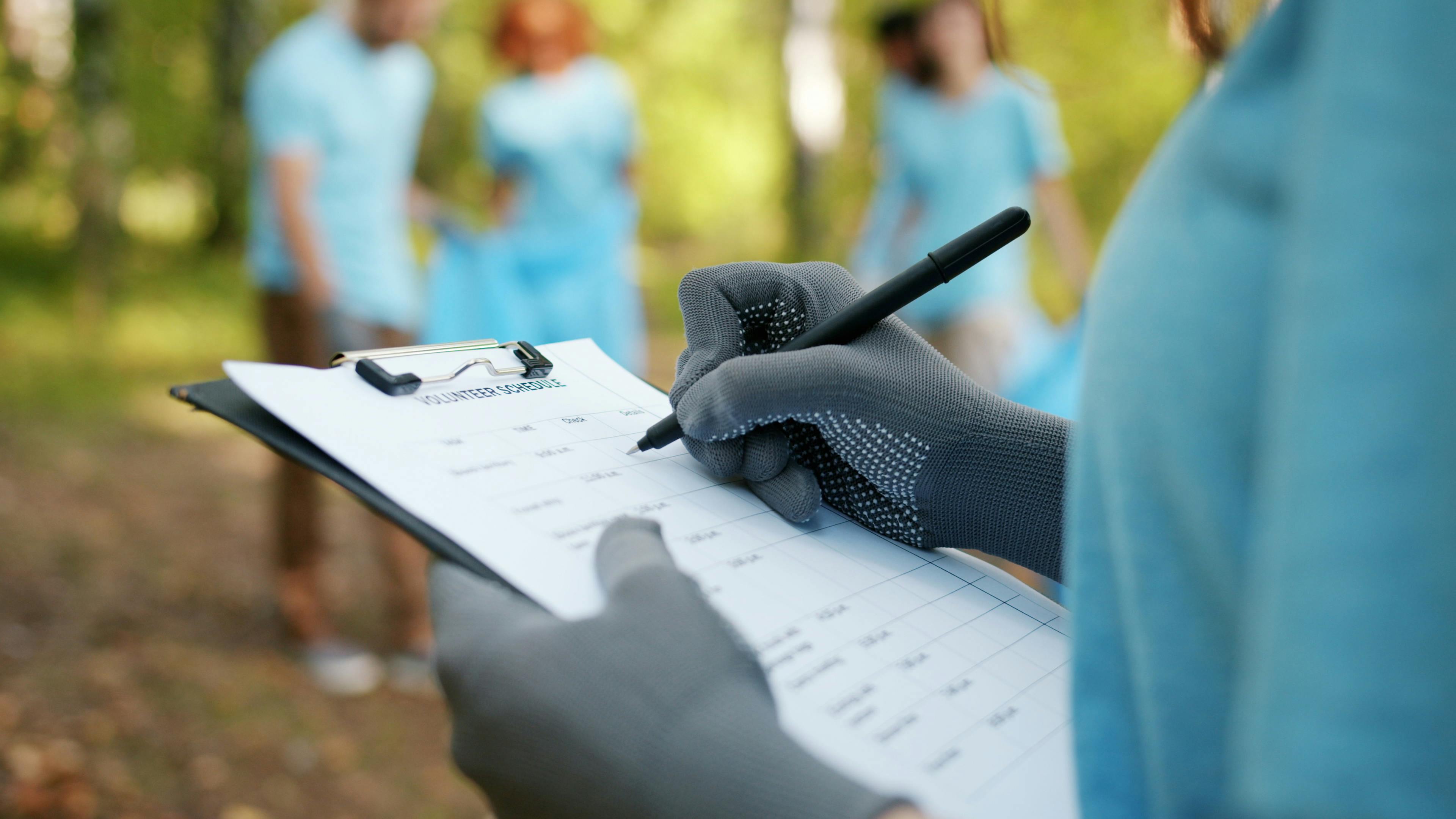
Questions worth asking:
- Are toilets checked and restocked during the school day?
- Is there a written schedule, and who signs it off?
- What happens when the regular cleaner is away?
- Are the products suitable for children with asthma or sensitive skin?
- How do we report a problem, and how quickly is it fixed?
For principals, boards and centre directors: choosing a cleaning provider
If your school or centre arranges its own cleaning, a few checks separate a reliable provider from a risky one. Ask for:
- Proof of public liability and workers' compensation insurance
- A site-specific schedule, not a generic template
- Details of staff training and supervision
- Safety data sheets for every product
- Working with Children Check details for anyone on site during school hours
- A reporting system with response times
- A start-up plan with dates for onboarding, inspection and review
| Aspect | In-house | Contracted |
|---|---|---|
| Pros | Direct control, familiar staff, flexible hours | Trained teams, absence cover, equipment and systems included |
| Cons | You manage recruitment, training, cover and compliance | Quality varies; needs a clear specification |
| Best for | Larger schools with facilities staff | Smaller schools, childcare centres and OSHC |
Costs. Pricing depends on floor area, number of toilets, visit frequency, daytime versus after-hours work and specialist tasks. DNC Cleaning Services tailors school cleaning in Hoxton Park to each site's schedule and budget, and the most reliable way to compare any providers is to request itemised quotes against the same specification. Term-break jobs such as carpet cleaning are usually quoted separately.
Conclusion
Hoxton Park parents aren't asking for perfection. They want clean toilets through the day, wiped surfaces, working hand-wash stations and a school that responds when something slips. For public schools, the 2026 NSW changes may bring more consistency over time, and specific, dated reports help that along. For independent schools, Catholic schools and early-learning services, a written, site-specific cleaning plan with daytime toilet checks is the best place to start.
If you run a school, OSHC service or childcare centre in Hoxton Park, Bossley Park or nearby, DNC Cleaning Services, a family-owned local business, offers a no-obligation walk-through and a written cleaning schedule. Call 0410 454 022 or request an estimate.
Frequently asked questions
Who is responsible for cleaning public schools in NSW?
Since 1 January 2026, the NSW Department of Education has managed whole-of-government cleaning services for all NSW public schools. Individual schools don't usually hire their own cleaners.
How often should school toilets be cleaned?
There isn't one published figure that applies to every school, and requirements vary by specification. Good practice is to check and restock toilets during the school day, especially after breaks, and do a full clean after hours. Ask your school for its schedule.
What can parents do if school toilets are regularly dirty?
Report specific issues to the principal in writing, with dates and locations. Raise recurring problems at the P&C, ask what the plan is rather than only requesting a one-off clean, and use the school's complaints process if nothing changes.
Do childcare centres and OSHC follow the same standards as schools?
They follow the National Quality Framework and commonly use NHMRC's Staying healthy guide, which is designed for early childhood education and care services, including outside school hours care.
What should a school ask a cleaning company before hiring?
Ask about insurance, staff training and checks, a site-specific schedule, safety data sheets, supervision, how problems are reported and how absences are covered.
Sources
- NSW Department of Education, Enhanced cleaning contracts to improve conditions
- NSW School Infrastructure, Cleaning services
- NHMRC, Staying healthy guidelines (6th edition)
- ACECQA, Staying healthy, 6th Edition
- INCLEAN, NSW public school cleaners assigned 650 tasks a day, union claims

DNC Cleaning Services Pty Ltd is a family-owned cleaning business based in Bossley Park, NSW. This cleaning service includes classes, canteens, toilets, and playgrounds of the school using environment friendly products and flexible timings.


Comments
Post a Comment